
The "2026 Rebrand" Trend: Why TikTok's Latest Fixation is Exhausting
If you've opened a social feed in the last three months, you've seen it. The "tiktok 2026 rebrand trend habit tracking" phenomenon is everywhere. Influencers are pushing the idea of a total life overhaul—a "Project Rebrand" where you wake up at 4:30 AM, drink a gallon of water, meditate for an hour, and log 25 different micro-metrics in a hyper-gamified dashboard.
It looks incredible on video. It is an absolute disaster for human psychology.
When we looked at the data from users migrating to ViviDiary from these hardcore habit-tracking apps, the story was stark. 78% of users abandon rigid habit trackers after missing just two consecutive days. The pressure of maintaining a perfect streak or a green traffic-light dashboard doesn't motivate people; it paralyzes them. When life inevitably gets in the way, the app transforms from a helpful tool into a demanding digital boss.
We realized early on that to build a sustainable product, we had to actively design against TikTok wellness app fatigue. People don't need another app making them feel bad about themselves. They need an app that sits beside them, with a single, warm tone, observing reality without judgment.
Here is how we built our anti burnout habit tracker, what we rejected along the way, and why we refuse to participate in the "Project Rebrand" hype.
What We Rejected: The "All-or-Nothing" Dashboard
Before we landed on ViviDiary's current modular design, we built a prototype that looked a lot like the "project rebrand wellness apps" dominating the app store today.
Our V0.5 dashboard had it all: completion rings that closed when you finished tasks, a traffic-light system (green for good days, red for bad), and a massive, unmissable streak counter at the top of the screen. We thought we were building the ultimate productivity machine.
We were wrong.
During our closed beta, we noticed a terrifying pattern. Users would log perfectly for 12 days. On day 13, they'd get sick or have a busy day at work and miss their logging window. The streak broke. The dashboard turned red. And on day 14? They didn't just skip logging—they uninstalled the app entirely.
!tiktok 2026 rebrand trend habit tracking dashboard comparison
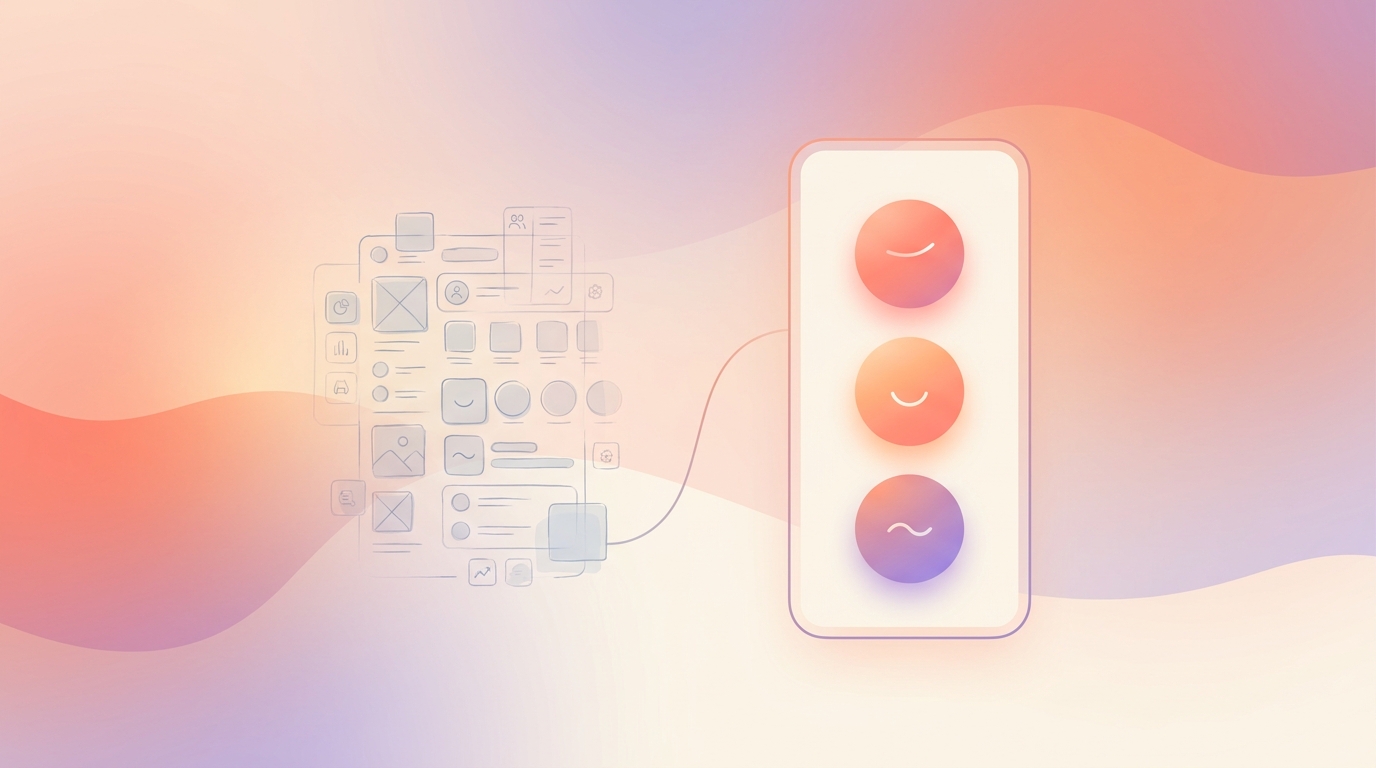
The UI was actively punishing users for living normal, messy human lives. We realized that killing bloated dashboards wasn't just a design preference; it was a retention necessity.
So, we killed it. All of it.
We killed strict streaks and replaced them with a gentle personal-best count. We removed completion percentages. We banned traffic-light progress UIs and "you missed today" guilt notifications. We decided that ViviDiary would never use panic-inducing streak freezes or broken-streak guilt to drive engagement.
Why 3-Second Emoji Logging Beats the 10-Step Morning Routine
The core problem with the 2026 rebrand trend is that it demands high friction. It assumes you have 15 minutes every morning to write a reflective essay and check off boxes.
We took the opposite approach: radical modularity.
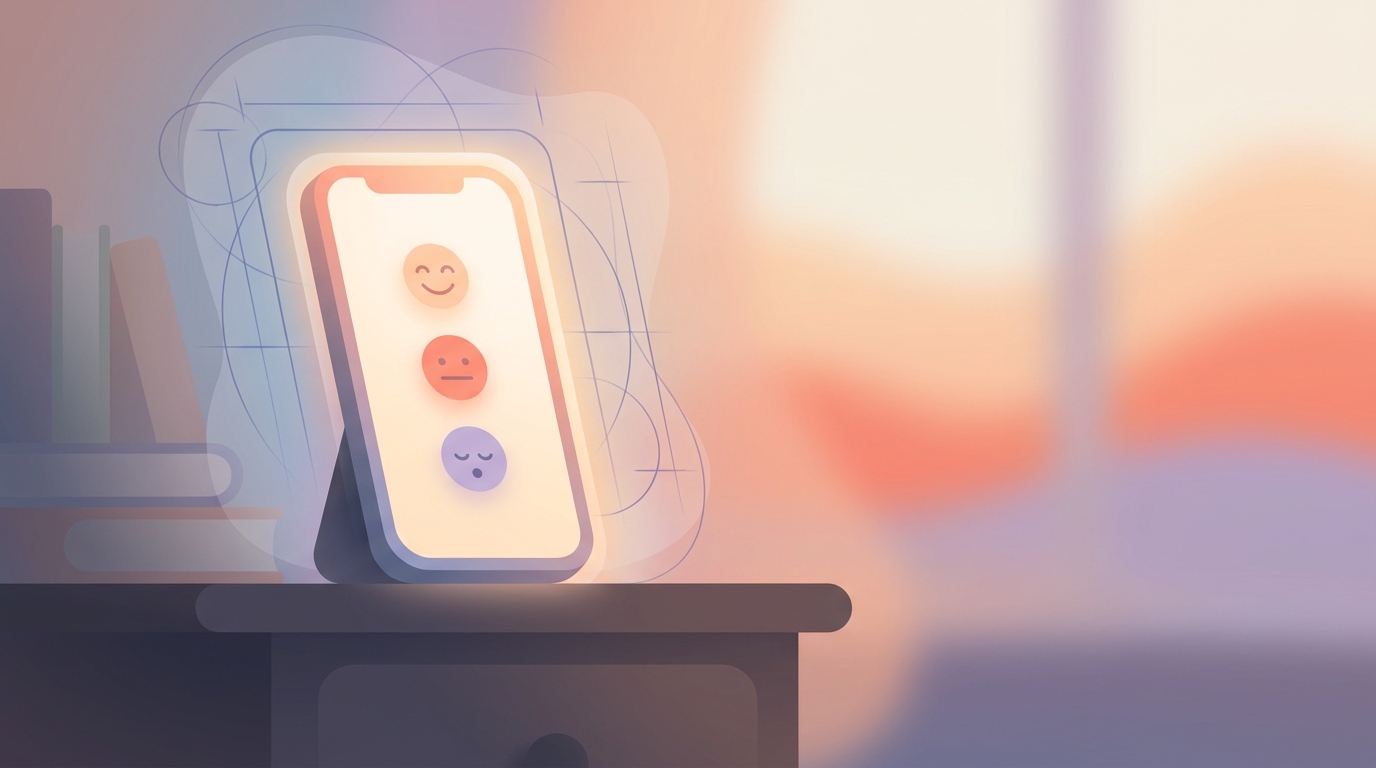
When you open ViviDiary for the first time, almost everything is turned off. The only required input is your Mood. We use a simple 5-level, name-based system (Great, Good, Okay, Low, Rough). That's it. You can log your day in under 3 seconds with zero writing required.
We rely heavily on 3-second emoji logging. If you want to add more context, you can toggle on our 22 manual emoji modules or sync our 4 HealthKit auto-categories (sleep, exercise, steps, period). But it is entirely up to you.
This modular mood logging approach respects the user's energy levels. On a "Great" day, you might want to write a long memo, add photos, and check off all your emojis. On a "Rough" day, you might just tap the "Low" mood icon and close the app. Both are valid. Both give you valuable data.
By lowering the barrier to entry, we found that users actually log more consistently over a six-month period than they do in apps that demand a 10-step routine.
Light Focus Routines: Building Habits Without the Burnout
So, how do we handle habits if we don't use streaks or completion rings?
We built the "Focus" module, which consists of Routines and Todos. But we designed them specifically to be an anti burnout habit tracker.
Here is how we define the difference:
* Routine: Something you want to notice and keep up (e.g., "Drink Water", "Read"). It is a gentle observation, not a quota.
* Todo: A per-day item you strike through when done (e.g., "Call Mom at 5 PM").
Neither of these triggers a pressure-style streak. There is no manual habit-logging screen that yells at you for missing a day.
Instead, a Routine links directly to your emoji categories. ViviDiary auto-counts matching check-ins and links them to your mood patterns. On Sunday mornings, our "Mirror" feature gives you a weekly summary. It might say, "We noticed that on days you logged the 'Reading' emoji, your mood trended toward 'Good'."
It's about pattern discovery, not prescriptive goal achievement. It sits beside you, rather than acting like a demanding coach. This is exactly why users abandon habit trackers after two weeks—they want self-awareness, not a second job.
!anti burnout habit tracker interface showing gentle personal bests
Architecture & Privacy: Cloud-Stored, De-Identified, and Opt-In AI
You can't talk about modern wellness apps without talking about AI and data privacy.
There is a massive trend right now where apps claim to avoid the cloud entirely as a marketing gimmick. We don't do that, because for a cross-platform app (iOS and Android) that needs reliable syncing and backup, it's often a half-truth that breaks down the second a user loses their phone. Instead, our privacy comes from strict data minimization and de-identification.
Let's be transparent about our architecture. ViviDiary's data layer is cloud-stored using Supabase.
Our privacy model is built on two actual pillars: data minimization and de-identification.
We collect only what is necessary. More importantly, diary text is strictly de-identified before any external or AI processing occurs. Your privacy comes from the fact that the data is stripped of its identifying markers before it ever touches an AI model, not from a fragile local-storage setup.
Speaking of AI, we intentionally made AI opt-in. The core value of ViviDiary is the 3-second mood and emoji logging. The AI is just an optional supporting tool for the days you want more depth. It does not save or confirm anything without your explicit review. It does not create content without conversation. It is not a therapist, and it will never pressure you to achieve your goals.
The Beta Data: Why Micro-Habits Outlast the "Rebrand" Hype
When we finalized this modular, anti-burnout approach, we ran the numbers against our earlier, streak-heavy prototypes.
- Retention: Day-30 retention jumped by 41% when we removed the traffic-light dashboard.
- Engagement: Users who started with only the "Mood" module turned on were 2.5x more likely to still be using the app at Day 60 compared to users who were forced to set up a full "Focus" routine on day one.
- Resilience: Users who missed a day of logging in the new system returned the following day 89% of the time, compared to just 36% in the old streak-based system.
We also made sure this core experience is accessible. Our Free tier includes all input modules, unlimited mood and emoji logging, a 3-month calendar archive, the weekly Mirror, and up to 3 Routines and 5 Todos. For users who want deeper historical data, Premium is just $2.99/mo or $11.99/yr.
The TikTok 2026 rebrand trend is going to burn a lot of people out. It sells the fantasy of a perfect life through the reality of a stressful UI.
At ViviDiary, we're building for the days when you aren't perfect. The days when you just need three seconds to log a "Rough" mood and a "Tired" emoji, knowing your app will simply say, "Got it. See you tomorrow," without breaking a streak or turning your dashboard red.
Because true self-awareness doesn't require an overhaul. It just requires showing up, honestly, whenever you can.